


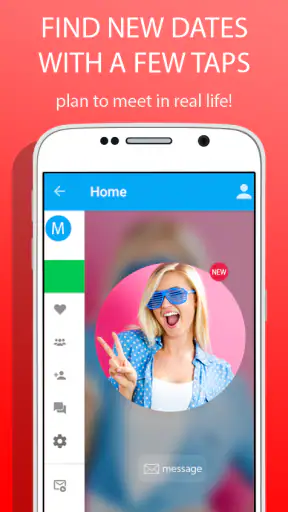
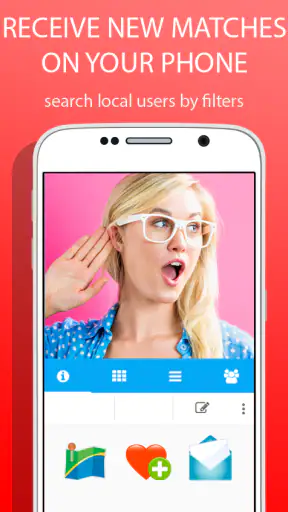
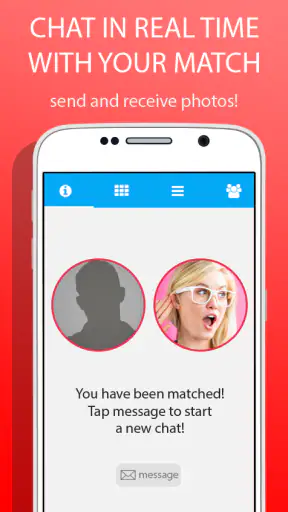
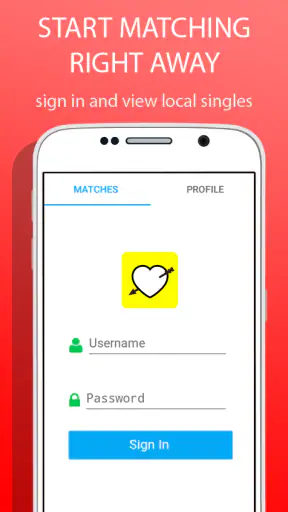
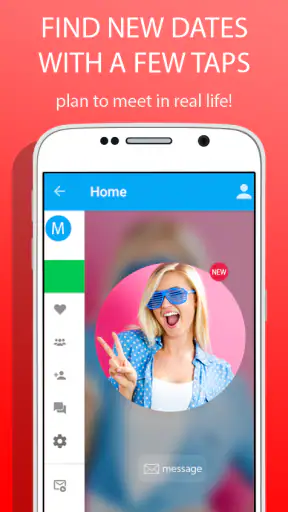
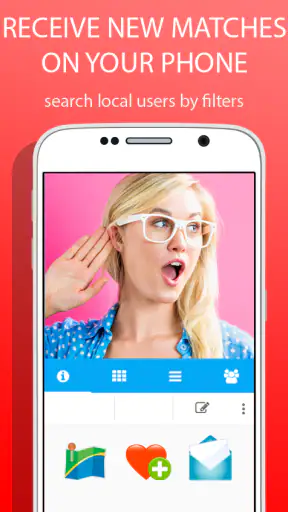
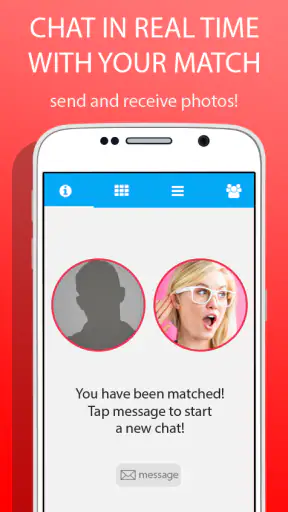
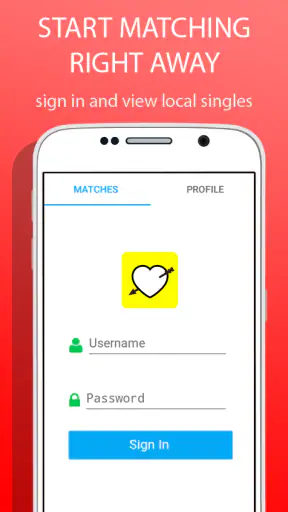
I approached Bang City - No Strings Dating as a lifestyle app for adults who want to meet people nearby with fewer expectations than a traditional relationship-focused service. Its tone is clearly casual, and that matters: this is not an app I would recommend to someone looking for a carefully structured matchmaking experience or a slow, formal route toward commitment. I would look at it instead as a direct way to browse local dating possibilities, start conversations, and decide for myself whether a connection feels worth pursuing.
The app is developed by One Night Stand Dating and is available free of charge. That makes the first decision simple: there is no purchase price to weigh before trying it. Still, “free” does not automatically mean effortless or risk-free. The real value depends on whether the local pool is active, whether the people I encounter match my expectations, and how comfortable I am with a mature, casual dating environment. Those are more important questions here than the download decision itself.
How Bang City fits casual dating
The basic appeal is easy to understand. The app presents itself as a place to make new friends and search for local people, while its “Bang City” identity signals that casual encounters are central to the experience. In my view, that positioning is useful because it sets a different expectation from apps built around long-term compatibility, detailed personality tests, or highly curated relationship profiles.
That focus can save time for a particular kind of user. If I already know that I am open to a casual connection, I do not need to pretend that every conversation is the beginning of a serious relationship. I can be clearer about my intentions from the start and look for people who are comfortable with the same general direction. The benefit is not that the app guarantees a result; it is that its subject matter may reduce the mismatch between what users want and what they say they want.
At the same time, the casual label should not be treated as permission to skip basic courtesy. A direct app still works better when profiles and messages are honest, respectful, and specific. I would not use the relaxed theme as an excuse to rush someone, pressure a conversation, or assume that a match has agreed to anything beyond talking. The strongest experience comes from treating the app as a way to meet adults, not as an automatic shortcut to intimacy.
What the free access means in practice
The app is listed as free, so I can test whether it suits my area without committing money upfront. That is a meaningful advantage over a service that asks for payment before I can decide whether its audience is relevant to me. For a person who is curious about casual local dating but does not yet know whether this particular community is active, free access lowers the barrier to making an informed choice.
There is an important distinction, though. Free access tells me the entry cost, not the quality of every interaction. I still need to spend time setting up a profile, reading messages, filtering out poor matches, and deciding who seems trustworthy enough to continue talking with. In other words, the app can be inexpensive in money while still demanding attention and patience.
I also would not assume that every part of the experience has the same value simply because there is no purchase price. If the local selection is thin, a free app may still be a poor use of time. Conversely, if I live in an area with an active audience and my expectations fit the app’s casual purpose, free access can be genuinely useful. The right test is not “Is it free?” but “Does the free experience help me meet the kind of people I actually want to meet?”
What I found useful about the intended workflow
A practical way to use this app is to treat the first session as a screening exercise rather than a race to send messages. I would begin by making my own profile clear about the kind of connection I am open to. That does not require oversharing. A short, direct description is more useful than vague wording, especially in a space where people may interpret intentions differently.
Next, I would search locally with realistic expectations. “Local” can be valuable when I want a conversation that could eventually move offline, but proximity alone is not compatibility. I would look at whether a person communicates consistently, answers basic questions, and respects boundaries before considering an in-person meeting. This two-stage approach is one of the better ways to avoid confusing availability with trust.
Another useful habit is to move slowly even when the app’s theme feels fast. I would keep early conversation inside the app until I had enough context to feel comfortable. I would also avoid sharing sensitive personal details simply because a chat feels exciting. Casual dating does not remove the need for ordinary digital safety, and a local search can make privacy especially important.
For an everyday example, imagine someone who has recently moved to a new city and wants to meet adults interested in something informal rather than immediately joining a relationship-oriented service. I could see this app helping that person discover conversations that fit a casual social goal. But I would still suggest checking whether the people nearby are active and genuine before investing much time. If replies are sparse or conversations quickly become uncomfortable, the free download has already answered the important question: this may not be the right community for that person.
Where it differs from mainstream dating alternatives
Compared with a conventional dating app built around serious relationships, this service appears more narrowly focused. That can be a strength when I want to avoid presenting myself as someone seeking a formal partnership. A mainstream alternative may offer a broader range of intentions, but that variety can also create confusion: two people may match while wanting completely different outcomes.
Compared with friendship-first social apps, Bang City is more directly connected to adult dating and casual encounters. A friendship platform may feel more comfortable for meeting people without romantic pressure, while this app is a better fit when dating or physical chemistry is already part of the reason I am looking. Choosing between them depends on the goal I bring in, not simply on which interface feels more modern.
Compared with a paid dating service, the free price is attractive for experimentation. A paid alternative may appeal to someone who prefers a more deliberate audience or is willing to pay for additional structure, but I would not pay elsewhere merely because it sounds more serious. I would first decide whether I need relationship-oriented matching, stronger profile detail, or a broader community. Bang City makes more sense when casual intent is the priority and I want to test the waters without an upfront charge.
Limits, safety, and who should use it
The mature audience is a central part of the product’s identity. It is marked for adults aged 17 and above, so I would not treat it as a general social app for younger users. Anyone who is not comfortable with sexual or strongly casual dating themes should skip it, even if the idea of meeting local people sounds appealing. The category may be listed as lifestyle, but the actual subject matter is much more specific than a broad lifestyle label suggests.
I would also skip it if my main goal is marriage, a carefully guided relationship, or compatibility based on detailed values and long-term plans. The app may still produce an unexpected meaningful connection, but I would not choose it as my primary tool for that purpose. A relationship-focused service is likely to make more sense when I want the platform itself to emphasize commitment, shared goals, and a slower matching process.
Privacy deserves special attention because local discovery can reveal more than a user intends. I would avoid putting an exact home address, workplace details, daily schedule, or other information that makes me easy to locate. Before meeting anyone, I would choose a public place, tell a trusted person where I am going, and arrange my own way home. These are not criticisms unique to this app; they are especially relevant when the service encourages contact with people nearby.
There is also a social tradeoff in directness. Some users will appreciate not having to decode whether a match wants something casual. Others may find the atmosphere too blunt or feel that conversations become transactional. My advice would be to judge the behavior of each person rather than assuming the app’s theme tells me everything about them. Clear intentions are helpful, but respect and reliability still matter more.
Who is likely to get the most value
I think the best audience is an adult who wants casual dating, is comfortable stating boundaries, and lives somewhere with enough nearby activity to make local search worthwhile. That person can benefit from the app’s focused purpose and free entry without expecting it to solve every part of dating. It is also a reasonable option for someone who wants to explore a less relationship-heavy environment before deciding whether a paid service is worth considering.
The app may also suit someone who dislikes the performance of traditional dating profiles. If long descriptions about future plans feel unnatural and I would rather be straightforward about meeting people casually, the narrower identity can make self-presentation easier. I still need to be honest, but I do not have to frame every interaction as a possible lifelong partnership.
On the other hand, I would recommend a different route to someone who wants extensive compatibility tools, professional relationship guidance, or a carefully moderated atmosphere. I would also point people toward a friendship-oriented option if their real need is companionship without sexual or romantic expectations. Using Bang City for the wrong purpose could create frustration for both the user and the people they contact.
Scale, maturity, and current app details
The service has a substantial public footprint, with over a million installs, an average rating of 4.4, and roughly 41 thousand ratings alongside about 5 thousand written reviews. Those figures suggest that it has reached a meaningful audience and that many users have taken time to evaluate it. They do not guarantee that I will find a good match in my neighborhood, but they make the app more credible as an established option than an unknown dating experiment.
It first appeared on November 5, 2016, and the current version is 5.2. The app supports Android devices running version 5.0 or later, which covers a wide range of older phones. I would still check that my device behaves well after installation, particularly if I rely on an older handset, because dating apps are most useful when messages and notifications remain dependable.
The developer name, One Night Stand Dating, reinforces the app’s narrow purpose. I see that as helpful for expectation-setting, but it also means I would not download it casually for general social networking. The name and mature rating together make the intended audience clear enough that users should decide before installing whether the subject matter is genuinely appropriate for them.
My practical verdict on value
For me, the strongest reason to try this app is not a promise of instant chemistry. It is the combination of a clearly casual identity, local discovery, and free access. That combination gives an adult user a low-cost way to see whether the community matches their intentions. The value is highest when I use it selectively: write an honest profile, search with realistic distance expectations, screen conversations carefully, and stop using it if the audience does not feel right.
The main weakness is that a focused casual environment will naturally exclude people seeking a different kind of dating experience. The free price cannot compensate for a mismatch in goals, an inactive local audience, or conversations that make me uncomfortable. I would also avoid interpreting the rating and install figures as a personal guarantee; they show broad interest, not the quality of every profile or interaction.
My buy-or-skip decision is straightforward because there is no purchase to make before trying it. I would recommend downloading it to an adult who specifically wants casual local dating and understands the need for careful screening. I would skip it if I wanted serious matchmaking, a friendship-only space, or a more structured relationship process. Its best value comes from focused free access, not from replacing every other dating option.
After using it with that mindset, I see Bang City as a specialized tool rather than an all-purpose dating solution. It can be worth exploring when its casual purpose matches mine, but I would keep my expectations grounded and my safety habits firm. If the local conversations feel respectful and relevant, the app may earn a place in my dating routine. If not, moving to a service designed around my actual goals would be the smarter choice.


